
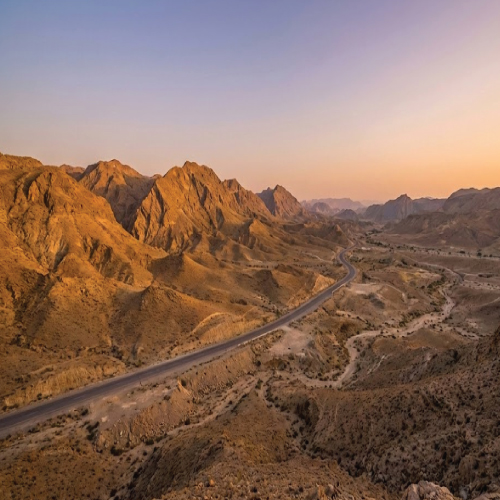
Balochistan is the largest province of Pakistan by area with the least population. It has been facing issues of good governance and trust-building since the inception of Pakistan. The province has been neglected by the political sphere of federal government. There are complex concerns which Balochistan has faced. For instance, endemic corruption, mismanagement, weak institutional capacity, lack of accountability, centralized decision-making, and neglect of local values, security issues, and persistent underdevelopment have continued. These conditions create a sense of alienation, panic, and frustration among the masses. This sense of alienation creates a vacuum for malicious actors. Additionally, these weaknesses have been used by hostile foreign actors to create unrest in Pakistan.
With the passage of time, many provincial governments have passed their tenure, but they did not pay attention to the problems of the local people. As a result, the trust between the state and the people has weakened. This loss of trust has made it easier for external intelligence agencies to influence people against Islamabad. They use local genuine grievances to promote sub-nationalist ideas, particularly among the youth. They have pushed youth toward militancy, anger, and confusion. As time goes by, sub-nationalist groups have become stronger. They have challenged the writ of the state. These hostile groups have misled young people with agendas that create problems for local people and harm their future.
This critical situation needs comprehensive solutions that are based on honesty and a new direction. The federal and provincial governments have to pay serious attention to rebuilding the trust of the local people. It should be based on a people-focused strategy. The strategy should be focused on three main areas.
The first is social engagement. It is the most important because the youth and general public need attention, communication, reassurance, and clarity. An honest and culturally respectful approach can strengthen the youth from moving toward militancy. It is highly essential to interact with local communities; it is important to respect Baloch culture, tradition, honor, and dignity. These values are the central elements of Baloch society. It is simple that trust can be built through empathy, respect, and listening to their genuine grievances.
The second is economic development, because once trust is rebuilt, economic and political steps bring long-term peace and prosperity in the province. The local people must feel that the province’s development involves local elders, educated youth, and community leaders. The province’s economic revival requires job creation, skill training, fair distribution of resources, and involving local communities in decision-making.
Especially, the federal and provincial governments have to pay serious attention to quality education. Both authorities should build schools, colleges, and IT centers, especially in the remote areas. The fact is that all the basic needs of life are absent in Balochistan. There should be proper school buildings, trained teachers, and administrative support. Education is an important tool to shape the future of the youth. Moreover, development cannot succeed without basic facilities. For instance, healthcare, clean drinking water, transportation, and food security—these basic needs must be provided as soon as possible.
The third is political engagement. It is a crucial factor of society. It cannot and should not be ignored. Political engagement means the people being involved in political processes, decisions, and governance policies so that the juveniles of Balochistan feel included, heard, and empowered. It ensures the fulfillment of the objectives of the people. There is a sense of alienation in Balochistan. It can be addressed through these measures and a proper strategy. Political engagement rebuilds long-term trust and political stability. It gives people ownership of development.
Militant groups should be isolated through community cooperation, not only force. If the state wins the trust of the people, it will be easier to tackle hostile groups. Many young students are influenced by militancy. They should be given dialogue opportunities, rehabilitation programs, economic incentives, and pathways to return to normal life.
Islamabad is facing a new, unique type of warfare. It is hybrid warfare or Fifth Generation War (5GW). The enemies have tried to target the country physically, economically, socially, and politically. The adversary does not appear only on borders; it walks in through social media, fake news, propaganda, and misleading narratives.
In nutshell, Baluchistan’s peace and development are important for Pakistan’s stability and progress. This can be achieved through honest government, trust-building, inclusive governance, better services, respect for local culture, and stronger state–citizen relationships.
Author: Sameera Zahri, BS 3rd Semester, National institute of Pakistan studies Quaid e Azam university Islamabad. She can be reached at samuzehri5@gmail.com.
